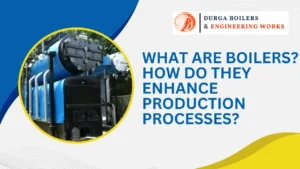

A steam boiler is an essential industrial machine used to generate steam by heating water with the help of fuel or electricity. Steam produced inside the boiler is widely used in industries such as food processing, textiles, pharmaceuticals, chemicals, paper plants, and manufacturing units. Durga Boiler is known for providing advanced industrial boiler solutions that are durable, energy-efficient, and suitable for various industrial needs. The demand for high-performance steam boilers has increased significantly because industries require efficient heating systems for smooth operations.
What is a Steam Boiler?
A steam boiler is a closed vessel where water is heated to produce steam under controlled pressure. The heat energy generated from fuel combustion or electricity converts water into steam, which can then be used for heating, processing, cleaning, or power generation. Modern steam boilers are designed with advanced safety systems and efficient heat transfer technology to ensure smooth performance and long service life.
Boiler Working Principle
The boiler working principle is based on heat transfer. Water inside the boiler absorbs heat energy and converts into steam. This steam is then supplied through pipelines to industrial equipment or processes.
The complete steam boiler working principle can be explained in simple steps:
- Fuel Combustion: The process begins inside the combustion chamber where fuel such as coal, gas, diesel, biomass, or oil is burned. Some systems also use electricity for heating.
- Heat Generation: The combustion process generates heat energy. This heat is transferred to the water stored inside the boiler shell or tubes.
- Water Heating: As the temperature increases, the water starts absorbing heat and gradually converts into steam.
- Steam Formation: Once the water reaches its boiling point, steam is produced under pressure. The generated steam is stored temporarily inside the boiler.
- Steam Supply: The steam is distributed through pipes to machines, turbines, or industrial systems where it is required.
This entire steam boiler working process is continuous and carefully controlled to maintain proper pressure and temperature levels.
Importance of Steam Boiler Working Principle
Understanding the steam boiler working principle is important for industries because it helps improve operational efficiency and safety.
Benefits include:
- Better energy utilization
- Reduced fuel consumption
- Continuous steam production
- Improved industrial productivity
- Enhanced equipment safety
- Lower operational costs
Modern steam boilers are equipped with automatic control systems that regulate water level, steam pressure, and fuel supply for better performance.
Applications of Steam Boilers
A steam boiler plays a major role in many industrial sectors.
- Textile Industry: Steam is used for dyeing, drying, and fabric finishing.
- Food Industry: Boilers help in cooking, sterilization, and food processing.
- Pharmaceutical Industry: Clean steam is essential for sterilization and manufacturing processes.
- Chemical Industry: Steam supports heating and chemical reactions.
- Paper Industry: Steam is used in paper drying and production operations.
Because of their versatility, modern steam boilers are considered an essential part of industrial infrastructure.
Types of Steam Boilers
There are several types of steam boilers available for different industrial applications. Each type is designed according to pressure requirements, fuel type, and operational needs.
1. Fire Tube Boiler
A fire tube boiler is one of the most commonly used boiler systems. In this type, hot gases pass through tubes surrounded by water.
Features:
- Simple design
- Easy maintenance
- Suitable for small and medium industries
- Lower operating pressure
This type of steam boiler is commonly used in food processing plants, laundries, and small manufacturing units.
2. Water Tube Boiler
In a water tube boiler, water flows inside tubes while hot gases surround the tubes externally.
Features:
- High-pressure steam generation
- Faster steam production
- Higher efficiency
- Suitable for large industries
Water tube steam boilers are widely used in power plants and heavy industrial operations.
3. Electric Steam Boiler
An electric steam boiler uses electricity instead of fuel combustion for steam generation.
Features:
- Environment-friendly operation
- Compact design
- Low emissions
- Quiet performance
These boilers are ideal for industries where clean steam is required.
4. Biomass Boiler
Biomass boilers use agricultural waste, wood chips, or biomass pellets as fuel.
Features:
- Eco-friendly operation
- Reduced fuel costs
- Sustainable energy source
This type of steam boiler working system is becoming popular due to rising energy costs and environmental awareness.
5. Oil and Gas Fired Boiler
These boilers operate using diesel, furnace oil, LPG, or natural gas.
Features:
- High thermal efficiency
- Quick steam generation
- Low maintenance
Oil and gas-fired steam boilers are commonly used in industries requiring consistent steam supply.
Advantages of Modern Steam Boilers
Today’s advanced steam boilers are designed with innovative features that improve performance and reduce operating costs.
- High Efficiency: Modern systems maximize fuel utilization and reduce energy wastage.
- Automatic Controls: Advanced sensors maintain pressure, temperature, and water levels automatically.
- Durable Construction: Industrial-grade materials increase the lifespan of the boiler.
- Low Maintenance: Efficient designs reduce maintenance requirements and downtime.
Durga Boiler offers reliable industrial boiler systems that are built for long-term performance and energy efficiency.
Why Choose Us?
At Durga Boiler, we are committed to providing high-quality industrial boiler solutions that meet the growing demands of modern industries.
- Experienced Industry Expertise: Our team has extensive knowledge and experience in designing and manufacturing efficient boiler systems for various industrial applications.
- High-Quality Products: We use premium-grade materials and advanced manufacturing technology to ensure every boiler delivers reliable and long-lasting performance.
- Energy-Efficient Solutions: Our industrial boilers are designed to reduce fuel consumption while maximizing steam output. This helps businesses lower operational costs and improve overall productivity.
- Customized Industrial Solutions: Every industry has different operational needs. We provide customized boiler solutions based on capacity, fuel type, pressure requirements, and application.
- Strong Customer Support: Our dedicated support team assists customers from installation to maintenance and after-sales service.
Understanding the boiler working principle helps industries operate their systems more efficiently and safely. The complete steam boiler working principle involves fuel combustion, heat transfer, steam generation, and controlled steam distribution.
Different types of steam boilers are available for various industrial applications, including fire tube boilers, water tube boilers, electric boilers, and biomass boilers. Choosing the right boiler depends on industry requirements, steam capacity, and energy efficiency goals. Durga Boiler continues to provide advanced boiler systems that combine durability, performance, and energy-saving technology for modern industries.