Boilers are one of the most important machines used in the industrial sector. They provide heat, steam and energy to support different production activities. From small manufacturing units to large factories, boilers help industries work faster, safer and more efficiently. In fact, the boiler industry has become the backbone of modern manufacturing because steam is required in almost every industrial process. This blog explains what boilers are, how they work and how boilers in industries improve production quality and speed.
Also Read: Steam Boiler: Working Principle and Types
What Are Boilers?
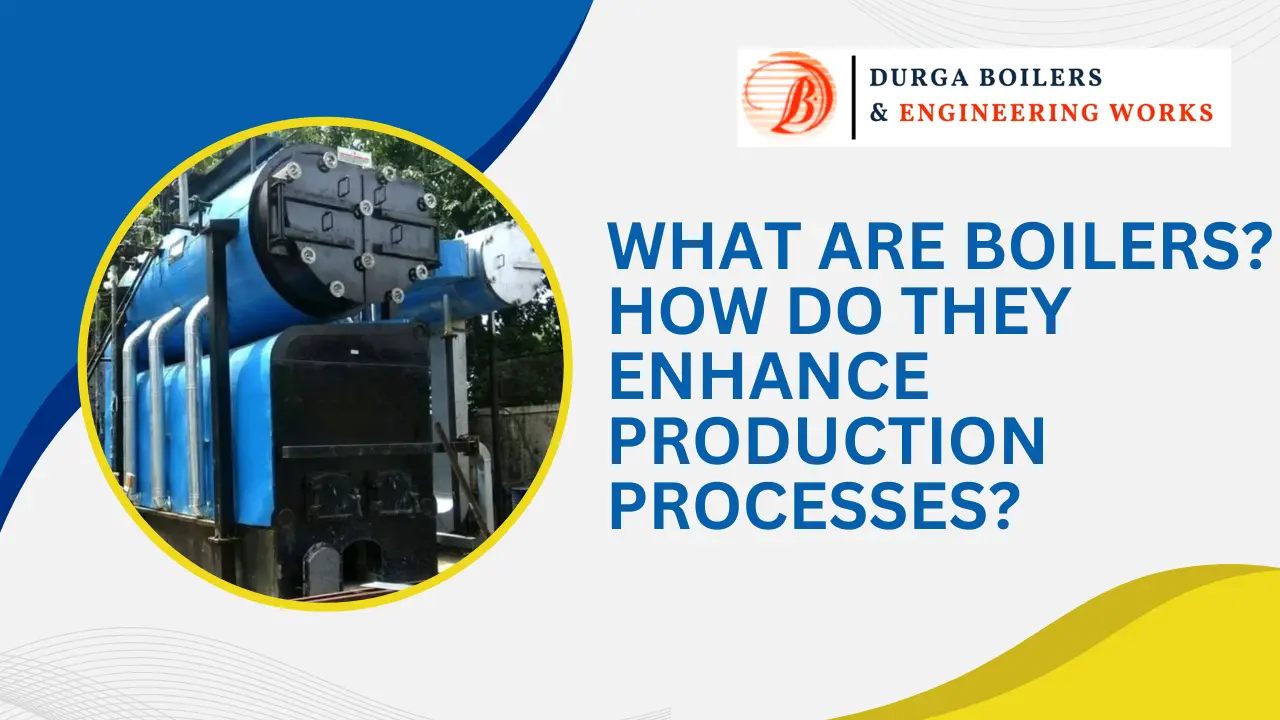
A boiler is a closed vessel designed to heat water and convert it into steam. This steam is used in a wide range of industrial processes such as cooking, heating, drying, sterilizing, power generation and running machines. Boilers come in different sizes and types depending on the industrial requirement. Small boilers are used in laundries and food corners, while large high-pressure boilers are used in chemical plants and power stations. The role of a boiler in industry is extremely crucial because it supplies the heat energy needed for continuous production. Without boilers, many industries would not be able to maintain efficiency or meet production deadlines.
Importance of Boilers in Industry
Boilers play a very important role in maintaining industrial growth and smooth operations. Industries need a stable heat source for different tasks, and steam boilers provide that consistent heat. The boiler industry has grown rapidly because steam is safe to use, easy to control and highly efficient for heating. Boilers help industries maintain product quality, increase production speed and reduce downtime. For example, textile industries use steam for dyeing, food industries use steam for cooking and drying, and pharmaceutical industries use it for sterilization. This shows how deeply boilers are connected with almost every manufacturing process.
How Do Boilers Work in Industries?
Boilers work on a simple but effective process. They burn fuel such as coal, diesel, gas, biomass or electricity to produce heat. This heat is transferred to water inside the boiler. As the water absorbs heat, it starts boiling and eventually turns into steam. The steam is stored at the top of the boiler and then supplied to different machines or production areas through pipelines. Fresh water continuously enters the boiler to maintain the supply of steam. This smooth cycle ensures that boilers in industries provide nonstop heating for long working hours, making them reliable equipment for heavy-duty operations.
How Boilers Enhance Production Processes?
Boilers significantly improve the efficiency and productivity of industries. They do this in several ways. Firstly, boilers provide consistent heating, which helps industries maintain uniform product quality. For example, in the textile industry, accurate steam levels help maintain color consistency during dyeing. Secondly, boilers enhance energy efficiency by converting fuel into heat more effectively compared to other heating methods. Modern boilers come with advanced features like automatic controls and fuel-saving technology, helping industries lower operational costs. Thirdly, boilers improve production speed. Steam transfers heat faster than hot air or direct flame, allowing processes like drying, cleaning and heating to finish quicker. Lastly, boilers ensure safety and hygiene in sensitive industries like pharmaceuticals and food processing by providing high-temperature steam for sterilization and cleaning.
Boilers Support Power Generation
Many industries use boilers to generate electricity through steam turbines. When high-pressure steam rotates the turbine blades, electricity is produced. This helps industries become energy-independent and reduces dependency on external power sources. This is one of the biggest contributions of the boiler industry, as it helps factories continue operations even during power cuts or voltage fluctuations.
Industries That Use Boilers
Boilers have a very wide application, and almost every sector uses them in some form. For example, the food and beverage industry uses steam for cooking, drying and cleaning. The textile and garment industry depends on boilers for fabric processing, dyeing and finishing. The chemical industry uses boilers to maintain controlled temperatures for chemical reactions. Pharmaceuticals rely on steam for sterilization and hygiene. Hospitals use boilers for laundry, sterilizing medical tools and heating. Power plants use large boilers to generate electricity, while paper mills depend on steam for boiling pulp and drying sheets. This variety of uses clearly shows how essential boilers in industries are.
Types of Boilers Used in Industries
Industries use different types of boilers depending on their steam requirements. Fire tube boilers, where hot gases pass through tubes surrounded by water, are used for low to medium steam needs. Water tube boilers, where water flows inside tubes heated by hot gases outside, are preferred for high-pressure applications like power plants. Electric boilers run on electricity and are ideal for clean and pollution-free processes. Solid fuel boilers run on coal, wood or biomass, making them economical options for rural or remote industries. Oil and gas fired boilers provide stable and efficient steam for large manufacturing units. Each type has unique advantages, and industries select them based on production needs, fuel availability and budget.
How to Select the Right Boiler for Your Industry?
Choosing the correct boiler is extremely important to ensure smooth production. Industries must consider factors such as fuel type, required steam pressure, operating costs, boiler size, available space and safety features. A well-selected boiler reduces fuel waste, prevents breakdowns and increases productivity. Working with an experienced manufacturer like Durga Boilers & Engineering Works helps industries make better decisions because they receive expert guidance on boiler capacity, design and efficiency.
Conclusion
Boilers are one of the strongest foundations of industrial growth. They provide steam, heat, energy and efficiency required to support production processes. Whether it is the food sector, textile industry, power plant or chemical factory, boiler in industry plays a vital role in achieving smooth, fast and safe operations. With the rising demand for advanced heating systems, the boiler industry continues to grow, offering better, safer and more energy-efficient solutions. For industries looking for reliable and high-performance boilers, Durga Boilers & Engineering Works remains a trusted name in delivering durable and efficient industrial boiler systems.