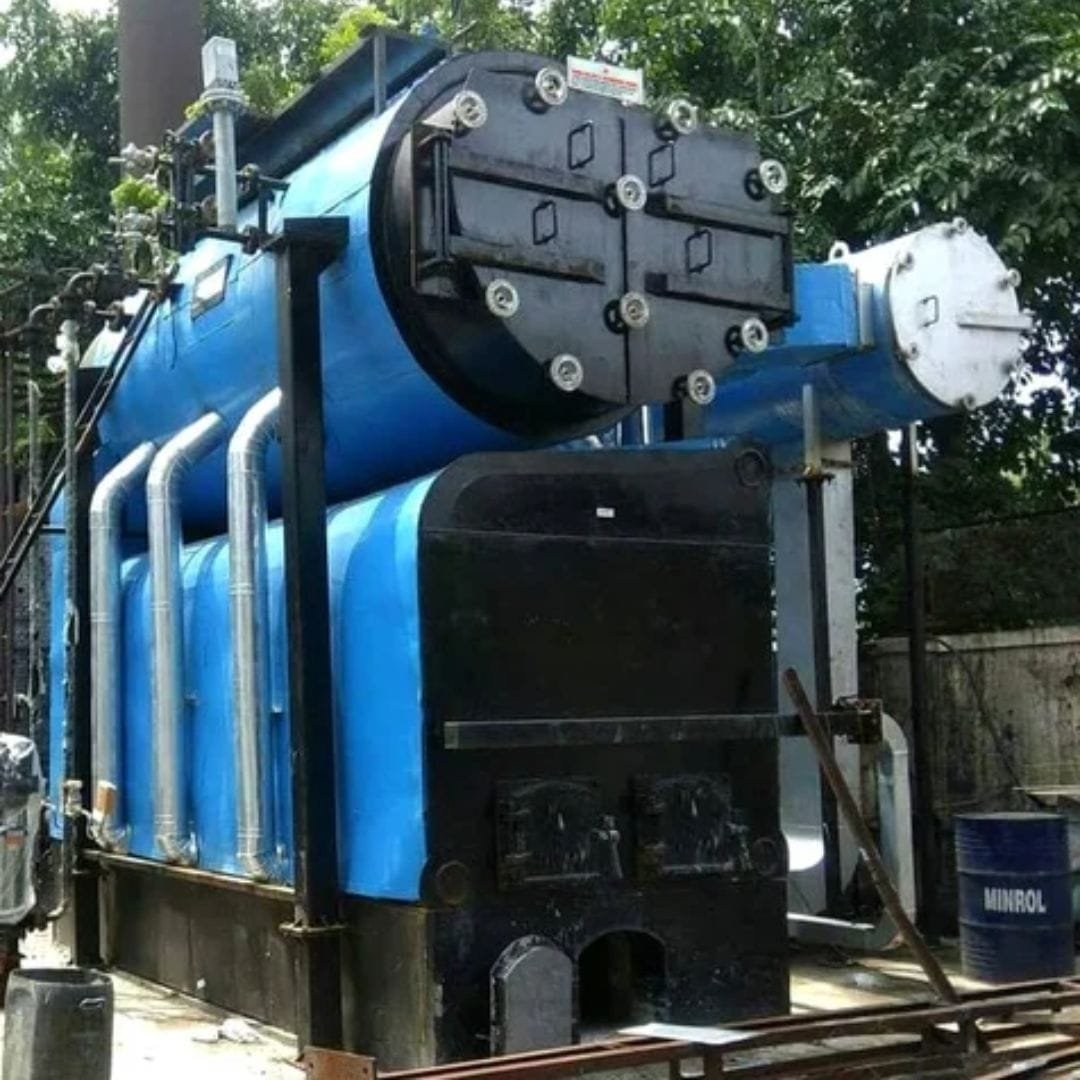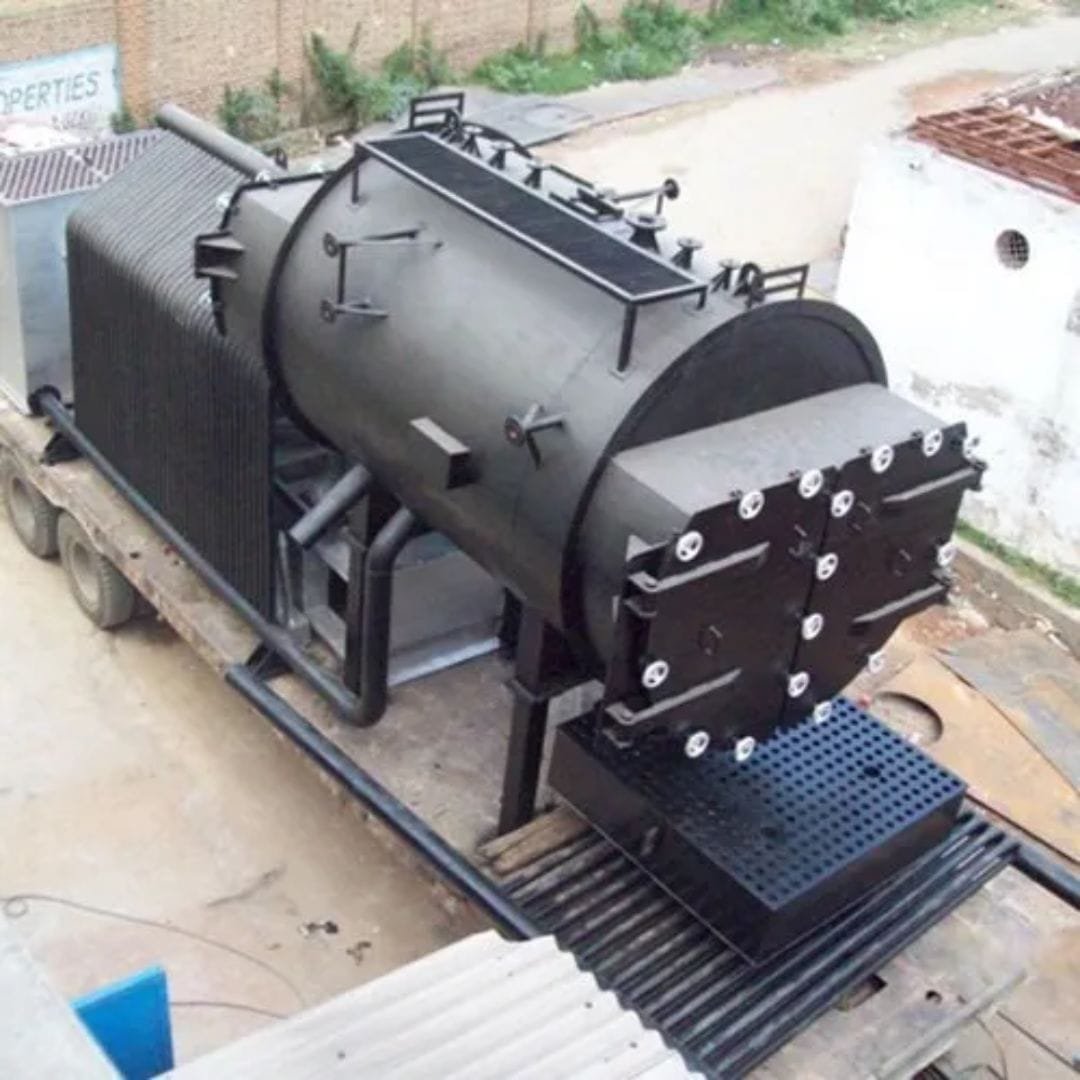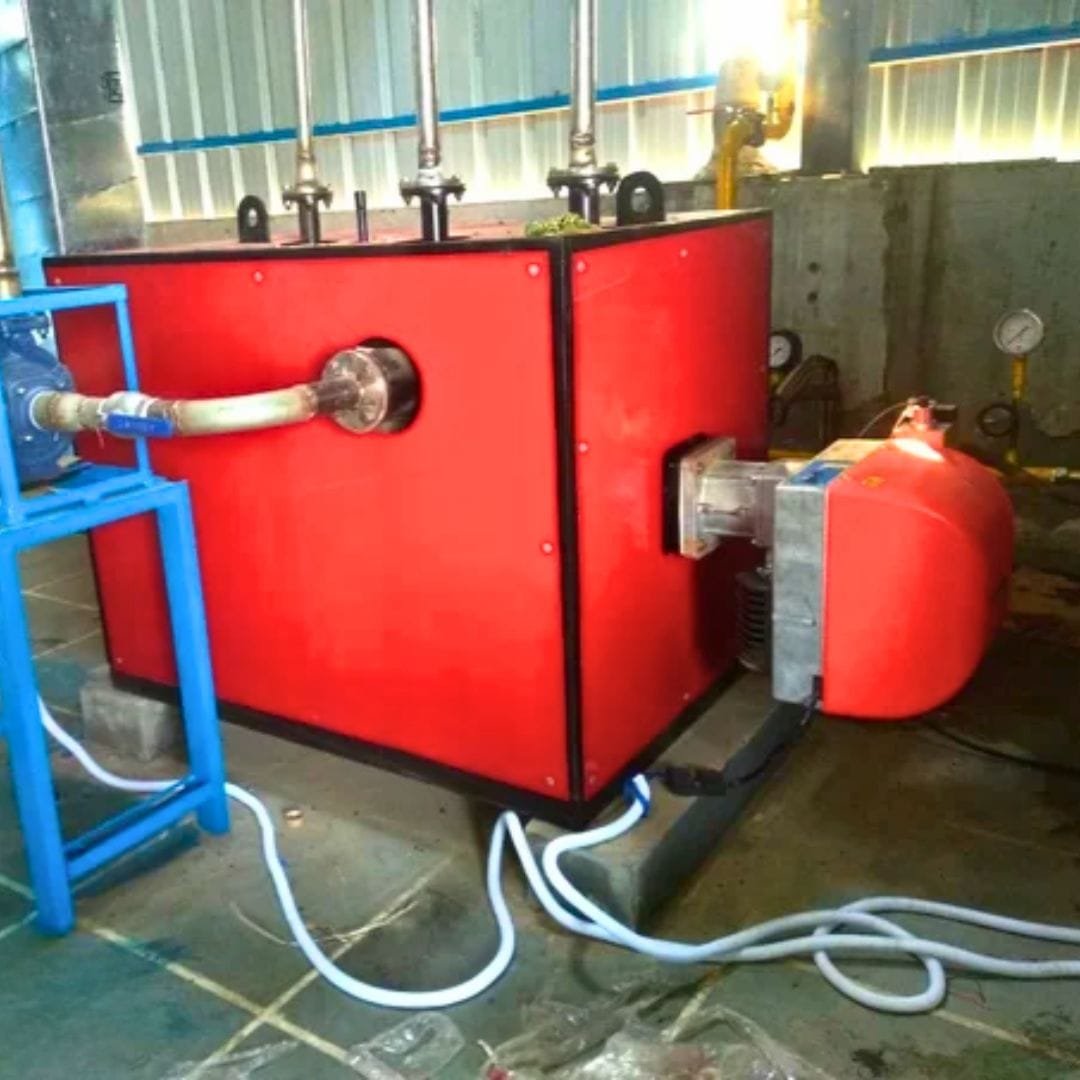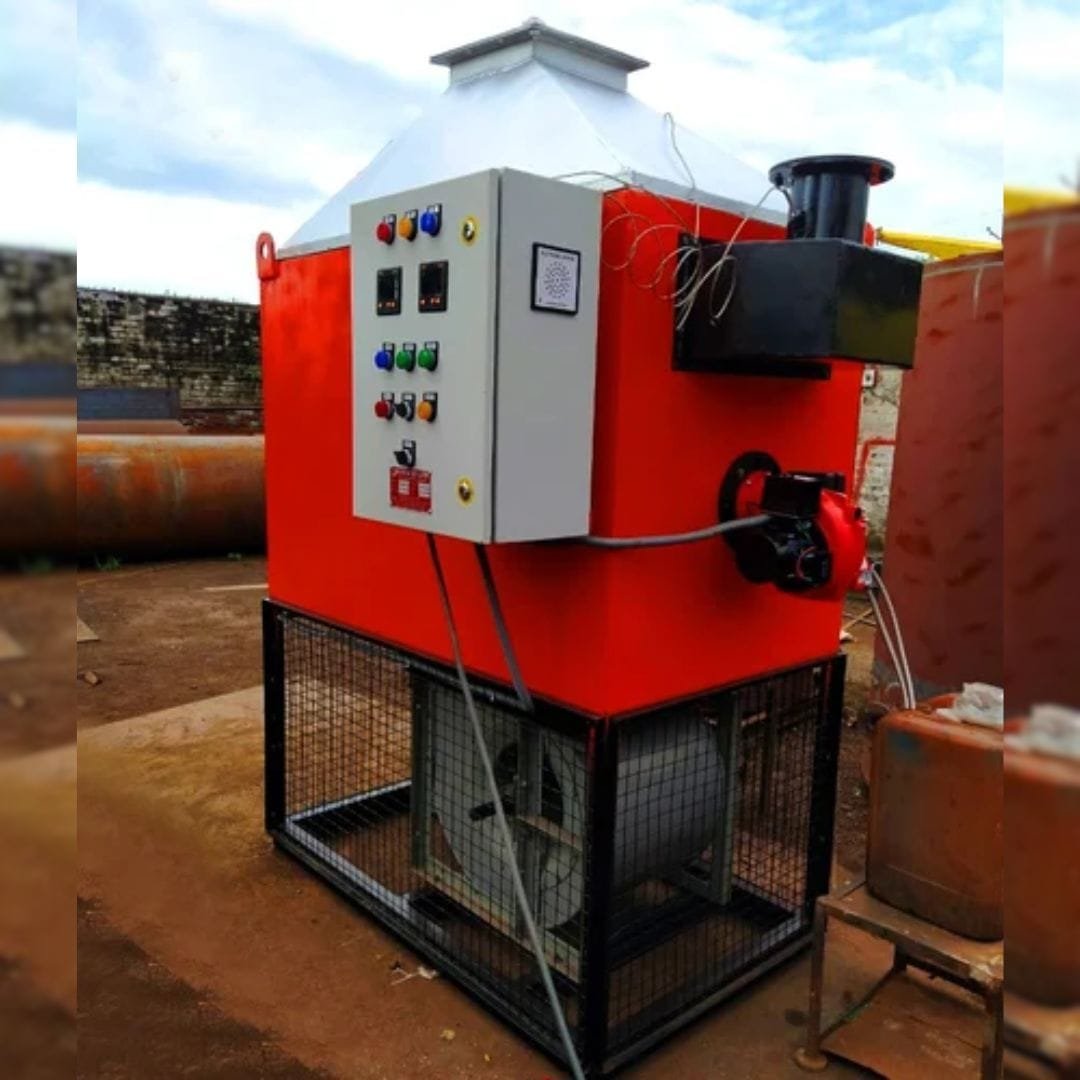

In industrial operations, boilers play a vital role in generating steam for heating, processing, and power applications. Choosing between a fire tube and water tube boiler is an important decision that directly affects efficiency, safety, and long-term performance. In this detailed guide, we will explain Water Tube vs Fire Tube Boilers, their working principles, applications, pricing factors, and every major difference between fire tube and water tube boiler systems.
At Durga Boilers, we help industries select the right boiler solution based on production demand and operational requirements.
What is a Water Tube Boiler?
A water tube boiler is a high-pressure boiler in which water flows inside tubes, and hot combustion gases surround these tubes from outside. As heat transfers through the tube walls, water quickly converts into steam. Because water circulates in smaller tubes, steam generation is faster and more efficient.
This design is commonly used in heavy industries where high steam pressure and continuous operation are required.
Fire Tube Boiler and Water Tube Boiler: Basic Working Difference
To understand the comparison between a fire tube boiler and a water tube boiler, let’s first look at how each system works. In a fire tube boiler, hot gases produced from fuel combustion pass through tubes that are surrounded by water inside a shell. Heat from the gases converts the surrounding water into steam.
In a water tube boiler, the process is reversed. Water flows inside tubes, and hot gases circulate around them. This structural change creates the primary difference between water tube boilers and fire tube boiler systems.
- Fire tube: Fire inside tubes, water outside.
- Water tube: Water inside tubes, fire outside.
This explains the core difference between fire tube and water tube boiler designs.
Water Tube Boiler Diagram Explanation
If you look at a typical water tube boiler diagram, you will notice key components such as steam drum, water drum, riser tubes, downcomer tubes, burner, and superheater.
In the diagram, water enters the steam drum and flows down through downcomer tubes. It then moves upward through heated riser tubes where combustion gases transfer heat. Steam separates in the steam drum and is supplied for industrial use. Understanding a water tube boiler diagram helps visualize how efficiently the system generates high-pressure steam.
Difference Between Fire Tube and Water Tube Boiler
The first difference lies in design. In fire tube boilers, gases flow inside tubes. In water tube boilers, water flows inside tubes. The second difference is pressure capacity. Fire tube boilers are suitable for low to medium pressure applications. Water tube boilers can handle very high-pressure steam requirements. The third difference is steam generation speed. Water tube boilers produce steam faster because water flows through smaller tubes with better heat transfer.
Another important difference between a water tube boiler and fire tube boiler is safety. Water tube boilers contain less water at any given time, which reduces explosion risk compared to fire tube boilers.
Efficiency also highlights the difference between fire tube boiler and water tube boiler, as water tube systems generally offer higher thermal efficiency in large-scale operations.
Water Tube Boiler Types
There are several water tube boiler types designed for different industrial needs. Understanding the types of water tube boiler helps in selecting the right system. Common types include:
- Babcock and Wilcox Boiler
- Stirling Boiler
- Benson Boiler
- LaMont Boiler
- Loeffler Boiler
Each of these types of water tube boiler is designed for specific pressure levels and industrial applications. Some are used for power generation, while others are designed for marine or high-capacity industrial use.
Where is the Water Tube Boiler Used?
A common question industries ask is where is a water tube boiler used? Water tube boilers are used in:
- Power plants
- Oil and gas refineries
- Chemical industries
- Steel manufacturing plants
- Large textile and paper industries
These industries require continuous high-pressure steam, which makes water tube systems more suitable than fire tube models.
When comparing water tube boilers and fire tube boilers, application scale is a major deciding factor.
Cost Consideration and Water Tube Price
Cost is another important factor in the comparison of fire tube and water tube boiler systems. Fire tube boilers usually have lower initial installation costs and simpler designs. Water tube boilers involve advanced engineering, higher pressure handling, and complex components, which increases overall investment.
The water tube price depends on several factors such as:
- Steam capacity
- Pressure rating
- Material quality
- Automation level
- Additional accessories like economizers and superheaters
Although the water tube price is generally higher, it offers better long-term efficiency and performance for large-scale industries.
Performance Comparison: Water Tube Boiler and Fire Tube Boiler
When evaluating a water tube boiler and fire tube boiler, performance becomes a key factor. Water tube boilers respond quickly to load changes and produce steam rapidly. They are suitable for industries where steam demand fluctuates frequently. Fire tube boilers, however, perform well in steady and moderate load conditions. They are simple to operate and ideal for smaller facilities. The technical difference between fire tube and water tube boiler ultimately determines their industrial suitability.
Advantages of Fire Tube and Water Tube Boiler
Fire tube boilers offer simple design, lower cost, and easier maintenance. They are suitable for small to medium industries with moderate steam requirements. Water tube boilers provide higher efficiency, high-pressure steam output, faster startup, and better performance in heavy industries.
Understanding the difference between water tube boiler and fire tube boiler ensures that industries choose the right system based on their operational goals.
Final Conclusion
The comparison of Water Tube vs Fire Tube Boilers shows that both systems have distinct advantages. The major difference between fire tube boiler and water tube boiler lies in structure, pressure handling, efficiency, safety, and industrial applications.
If your requirement is moderate steam pressure with lower investment, a fire tube system may be suitable. If your industry demands high-pressure steam, fast response time, and continuous performance, a water tube system is the better option.
A clear understanding of fire tube boiler and water tube boiler, their diagrams, types, pricing factors, and applications helps industries make informed decisions.
At Durga Boilers & Engineering Works, we provide expert guidance and reliable boiler solutions to match your specific industrial needs, ensuring safety, efficiency, and long-term productivity.
Also Read : Coal Fired Boiler: What It Is, How It Works, and Why Industries Still Prefer It