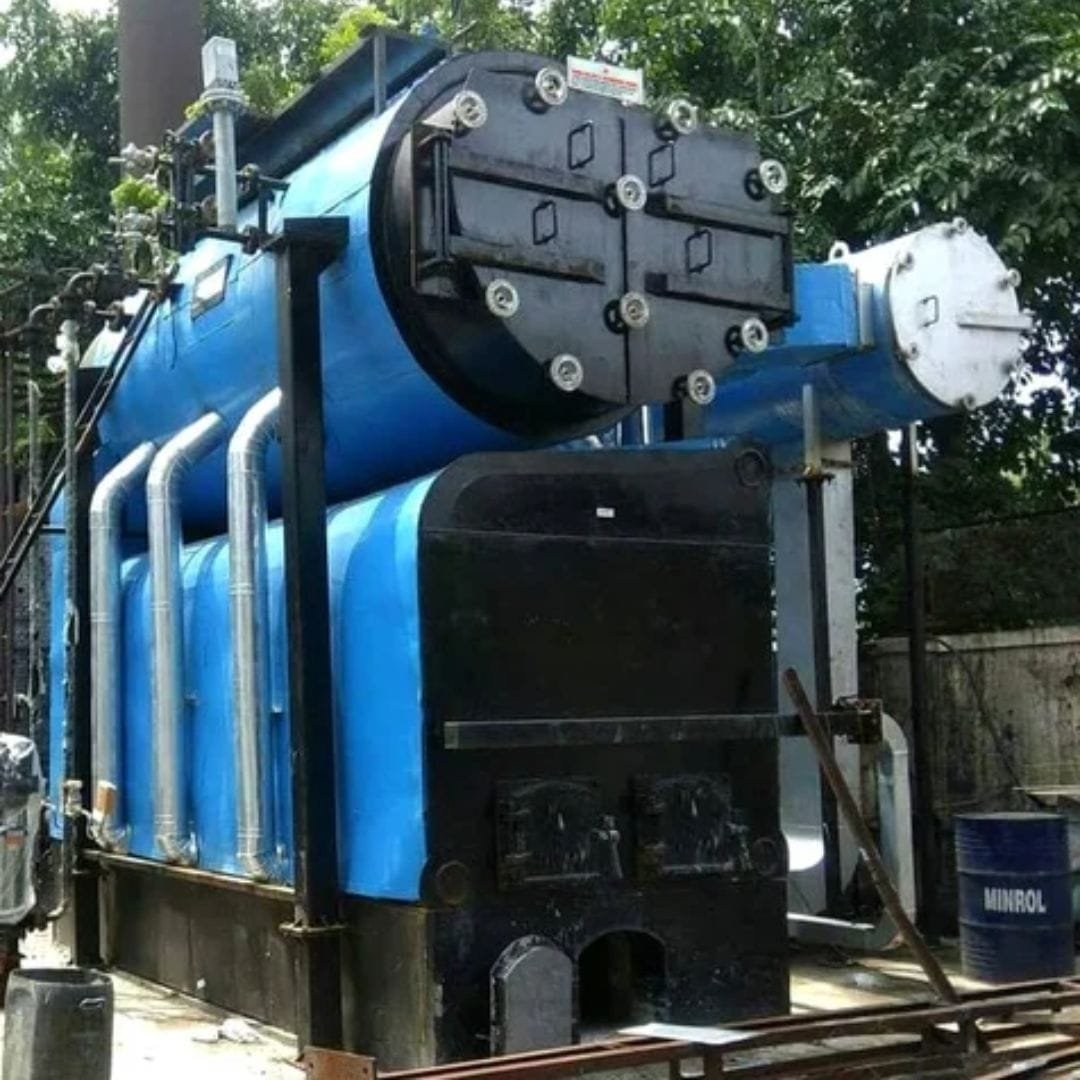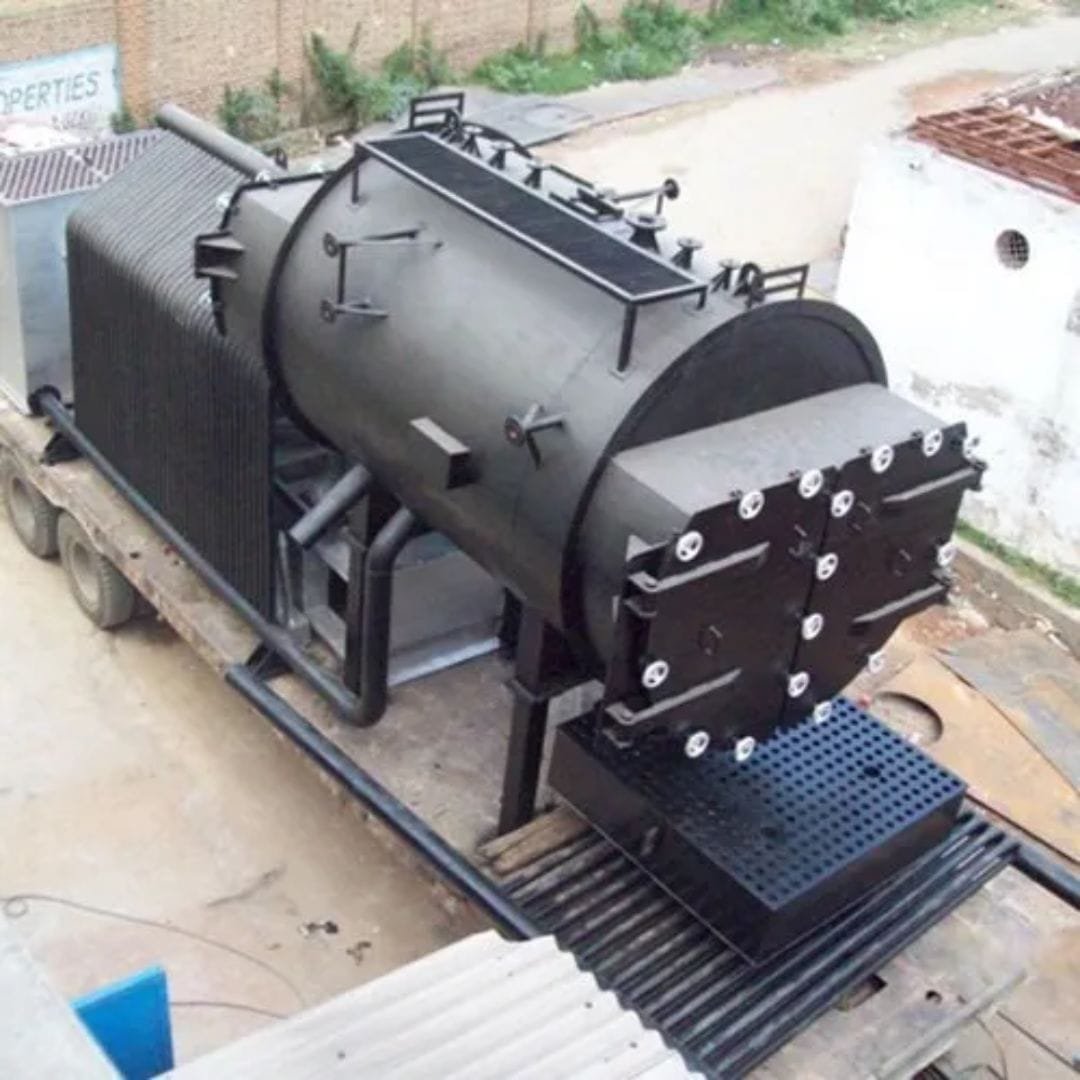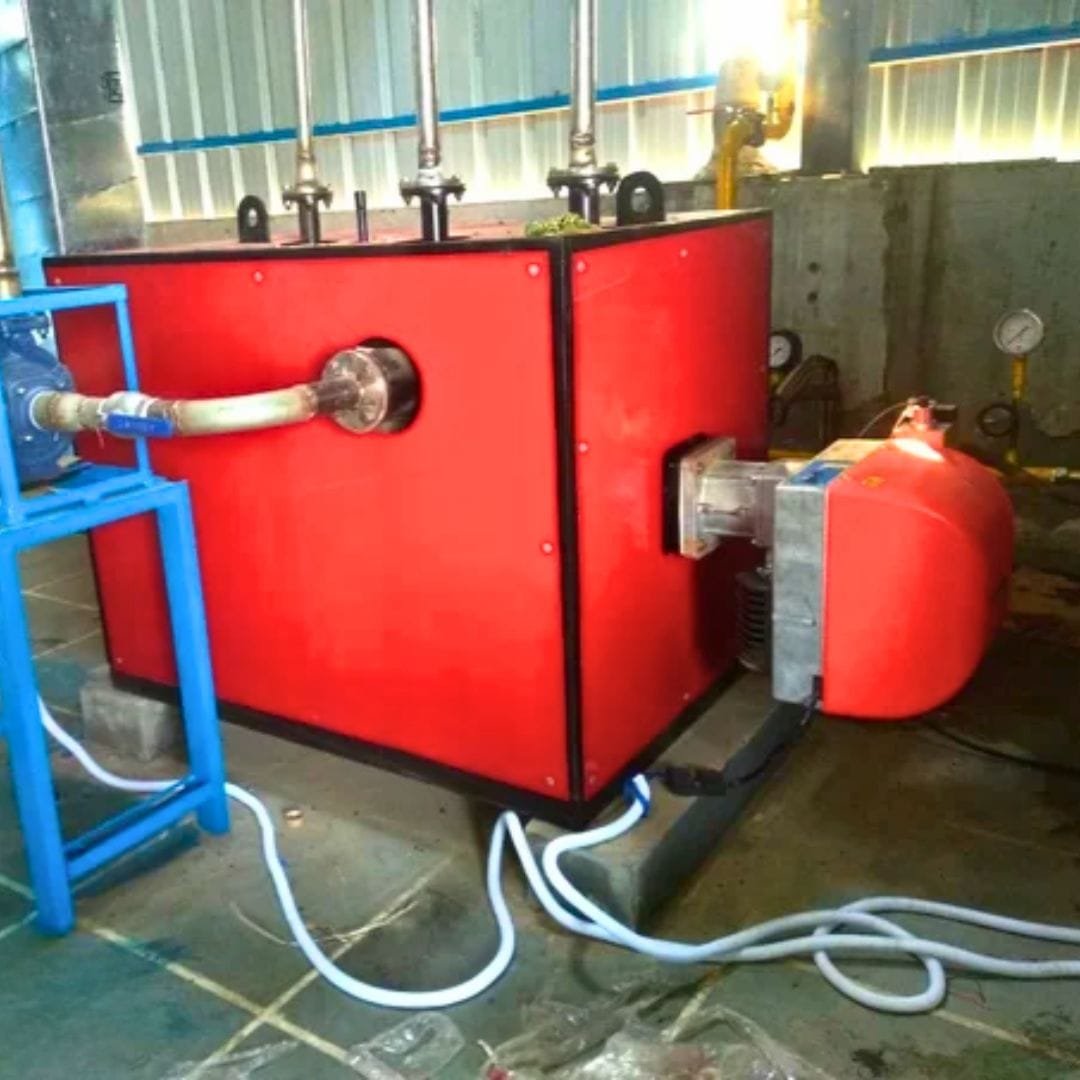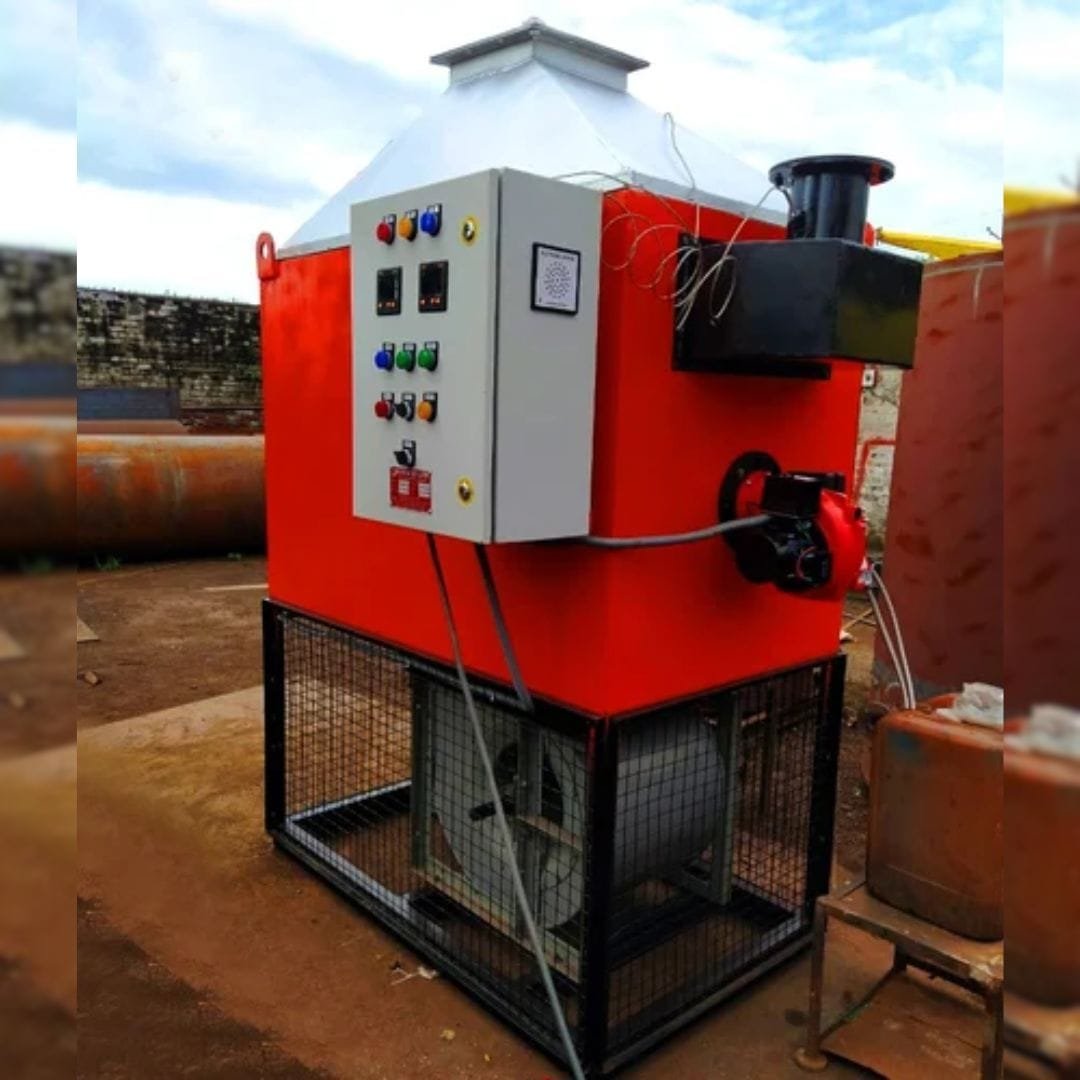
In any boiler system, maintaining a continuous supply of water is essential for safe and efficient operation. This is where a boiler feed pump plays a crucial role. Whether it is a small industrial setup or a large power plant, the pump ensures that the boiler receives the right amount of water at the required pressure. Durga Boilers & Engineering Works understand the importance of reliable pumping systems in boiler operations. In this blog, we will explain what a boiler feed pump is, how it works, and why it is important for different industrial applications.
What is a Boiler Feed Pump?
A boiler feed pump is a mechanical device used to supply water to a boiler. It pushes water from a storage tank or deaerator into the boiler at high pressure. This water is then heated to produce steam. The main function of a feedwater pump is to ensure that the boiler always has enough water to generate steam efficiently. Without a proper pump, the boiler cannot operate safely or effectively.
Why Boiler Feed Pumps Are Important?
Boilers operate under high pressure and temperature, so a steady water supply is critical. Boiler feed pumps help in:
- Maintaining proper water level inside the boiler
- Preventing overheating and damage
- Ensuring continuous steam production
- Improving overall system efficiency
In industries where steam is used for production, even a small interruption in water supply can affect the entire process.
Types of Boiler Feed Pumps
There are different types of boiler feed pumps used based on application and capacity:
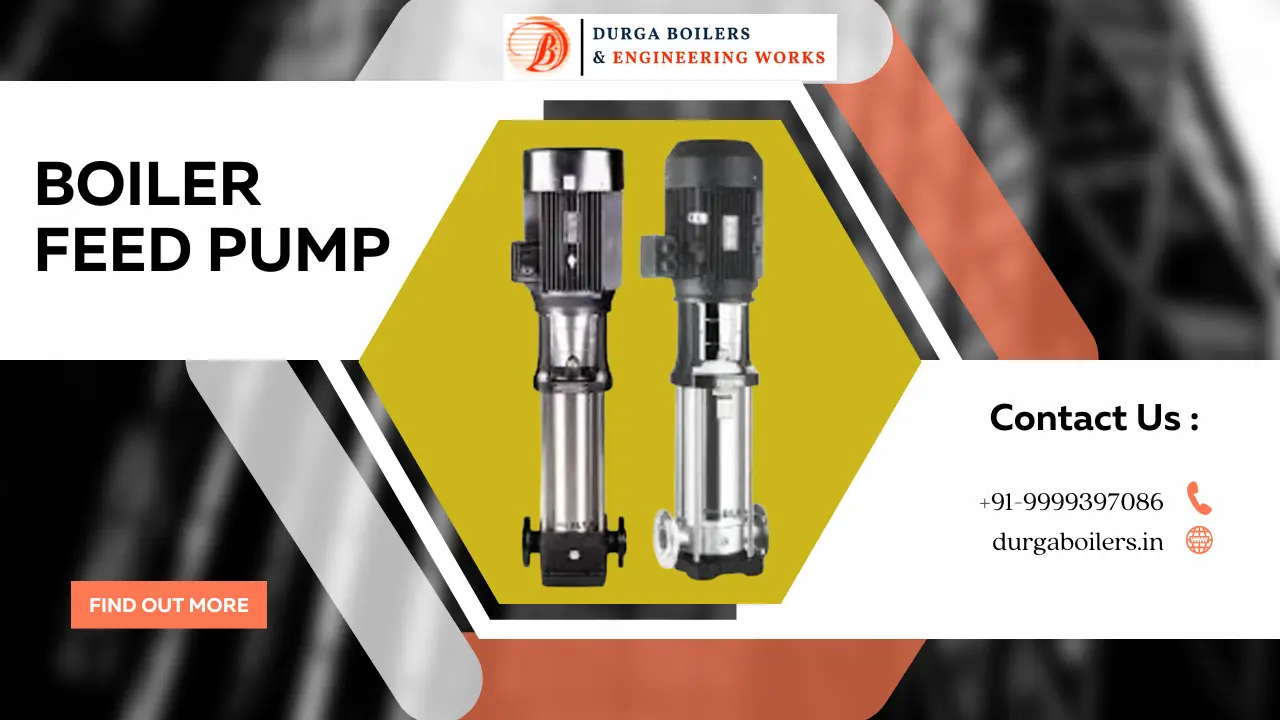
- Centrifugal Boiler Feed Water Pump- This is the most commonly used boiler feed water pump. It uses rotating impellers to increase the pressure of water and push it into the boiler.
- Reciprocating Feedwater Pump- This type uses a piston to move water and is suitable for high-pressure, low-flow applications.
- Steam Boiler Feed Pump- A steam boiler feed pump is specially designed for systems that operate at high temperatures and pressures. It ensures reliable performance in demanding conditions.
How Does a Boiler Feed Pump Work?
The working of a boiler feed pump is simple but very important. Let’s understand it step by step:
Step 1: Water Intake- Water is stored in a feedwater tank or deaerator. The pump draws water from this source.
Step 2: Pressure Increase- The pump increases the pressure of the water using mechanical energy. In centrifugal pumps, this is done by rotating impellers.
Step 3: Water Delivery- The high-pressure water is then pushed into the boiler, where it is heated to produce steam.
Step 4: Continuous Cycle- The process continues to maintain a constant water level in the boiler. This continuous operation ensures smooth and safe boiler functioning.
Key Components of a Boiler Feed Pump
A typical feedwater pump consists of several important parts:
- Impeller: Increases the velocity of water
- Pump Casing: Encloses the internal components
- Shaft: Transfers mechanical energy
- Bearings: Support smooth rotation
- Seal: Prevents leakage
Each component plays a vital role in ensuring efficient performance of the pump.
Applications of Boiler Feed Pumps
Boiler feed pumps are widely used in various industries, such as:
- Power generation plants
- Textile industries
- Food processing units
- Chemical industries
- Pharmaceutical companies
Wherever steam is required, a reliable steam boiler feed pump is essential.
Benefits of Using a High-Quality Feedwater Pump
Choosing the right boiler feed water pump offers several advantages:
- Improved efficiency of the boiler system
- Reduced energy consumption
- Longer equipment life
- Lower maintenance costs
- Consistent steam generation
A good pump not only improves performance but also reduces operational risks.
Common Issues and Maintenance Tips
Like any mechanical system, boiler feed pumps require proper maintenance. Some common issues include:
- Leakage in seals
- Wear and tear of impellers
- Vibration or noise
- Reduced pressure output
Maintenance Tips:
- Regularly check pump components
- Ensure proper lubrication
- Monitor pressure and flow rate
- Replace worn-out parts on time
Proper maintenance ensures long-lasting and efficient operation.
Choosing the Right Boiler Feed Pump
Selecting the correct feedwater pump depends on several factors:
- Boiler capacity
- Required pressure and flow rate
- Type of industry
- Operating conditions
We help you choose the most suitable boiler feed pump based on your specific requirements.
Conclusion
Understanding what a boiler feed pump is and how it works is essential for anyone involved in boiler operations. From maintaining water levels to ensuring continuous steam production, the pump plays a key role in system performance. Whether you need a boiler feed water pump, a steam boiler feed pump, or other types of boiler feed pumps, choosing the right system is important for efficiency and safety.
Durga Boilers & Engineering Works is committed to providing reliable and high-performance solutions for all your boiler-related needs. Investing in a quality feedwater pump ensures smooth operations, reduced downtime, and long-term savings.