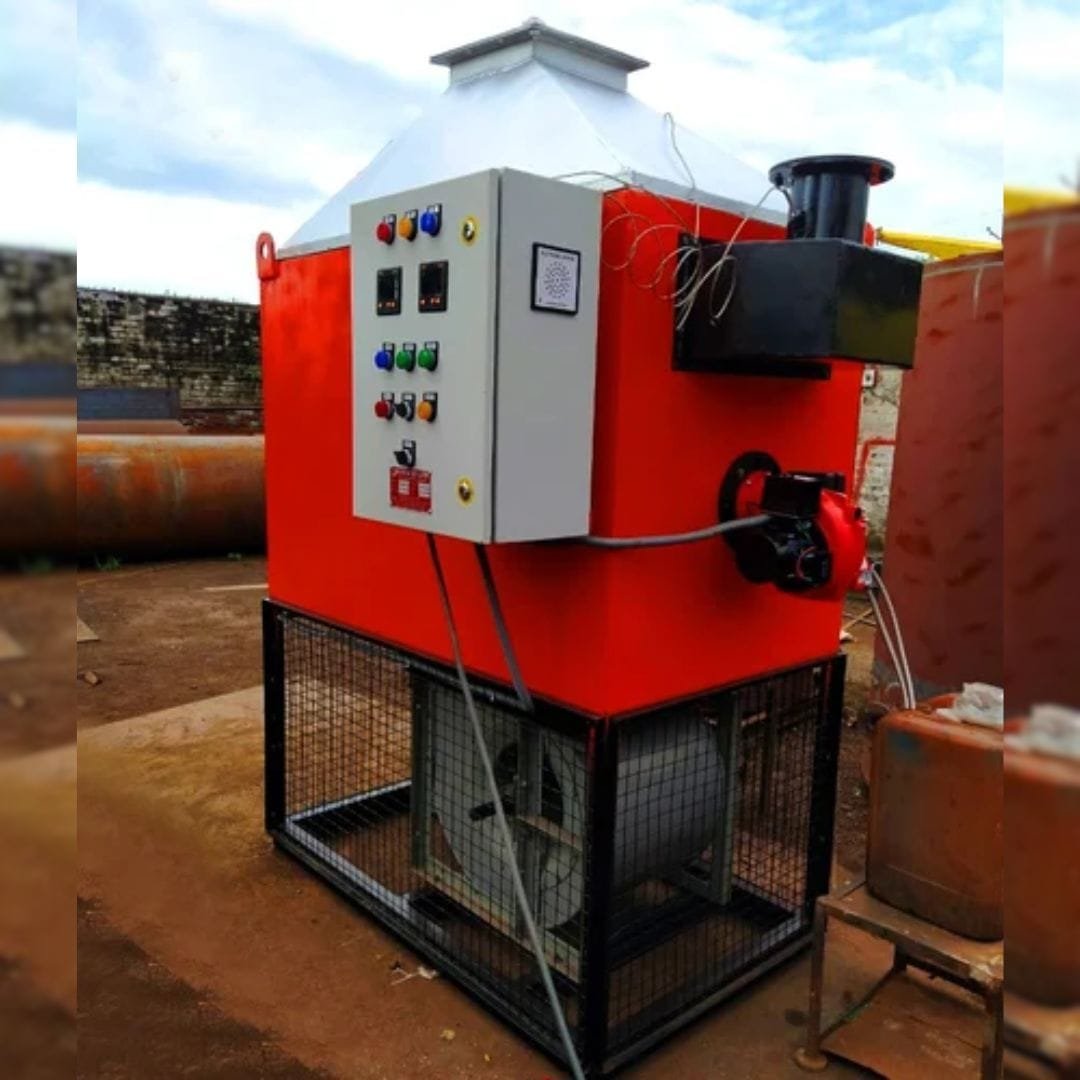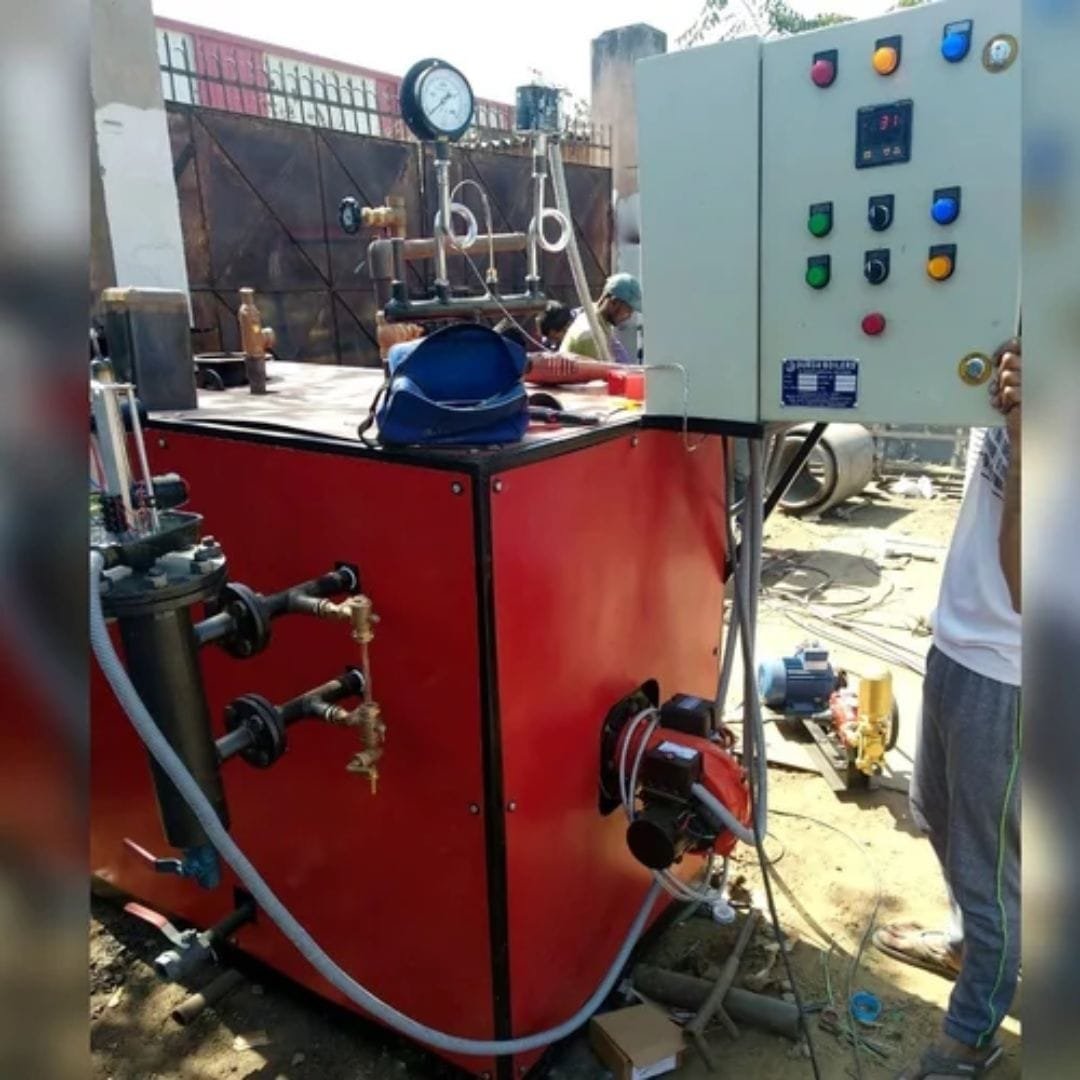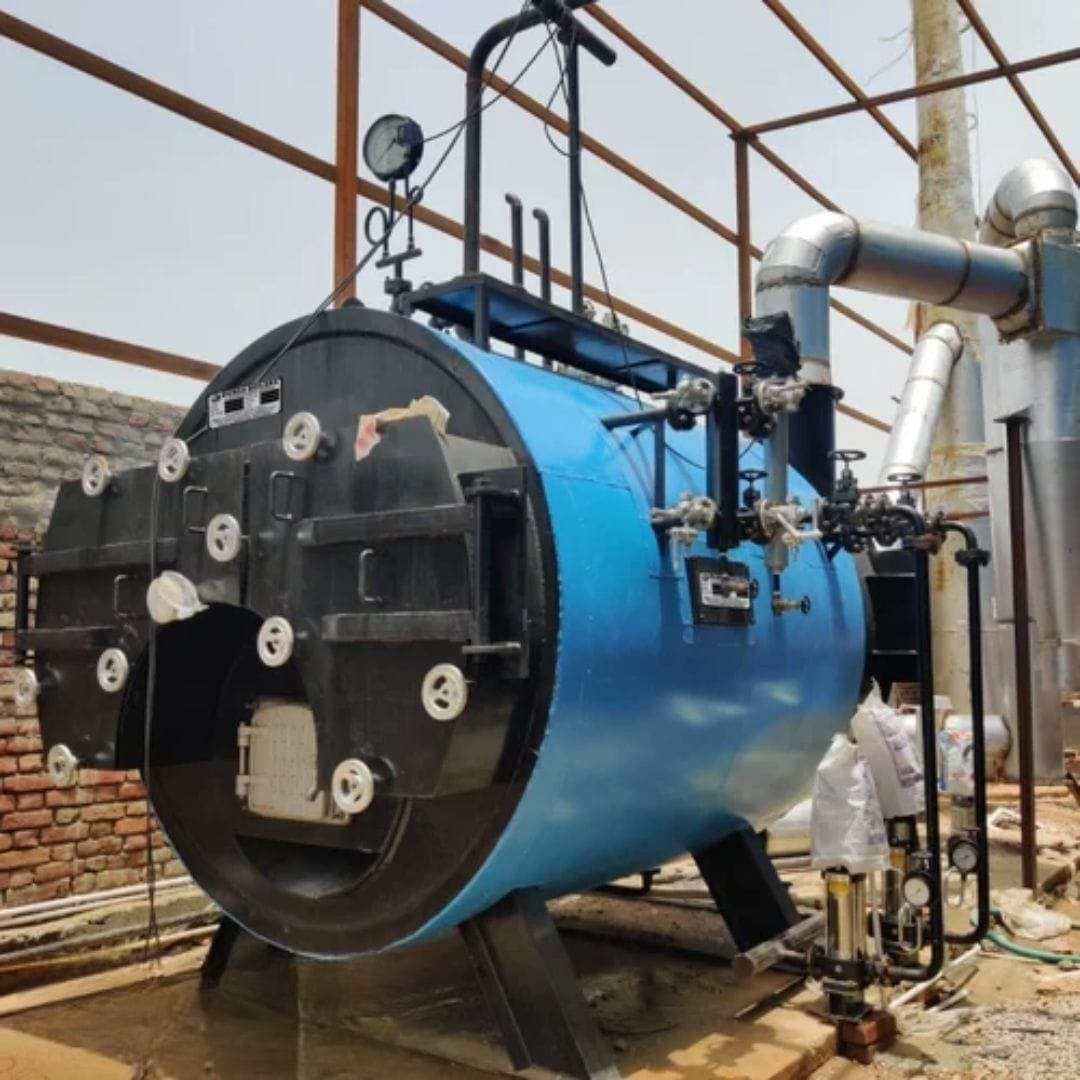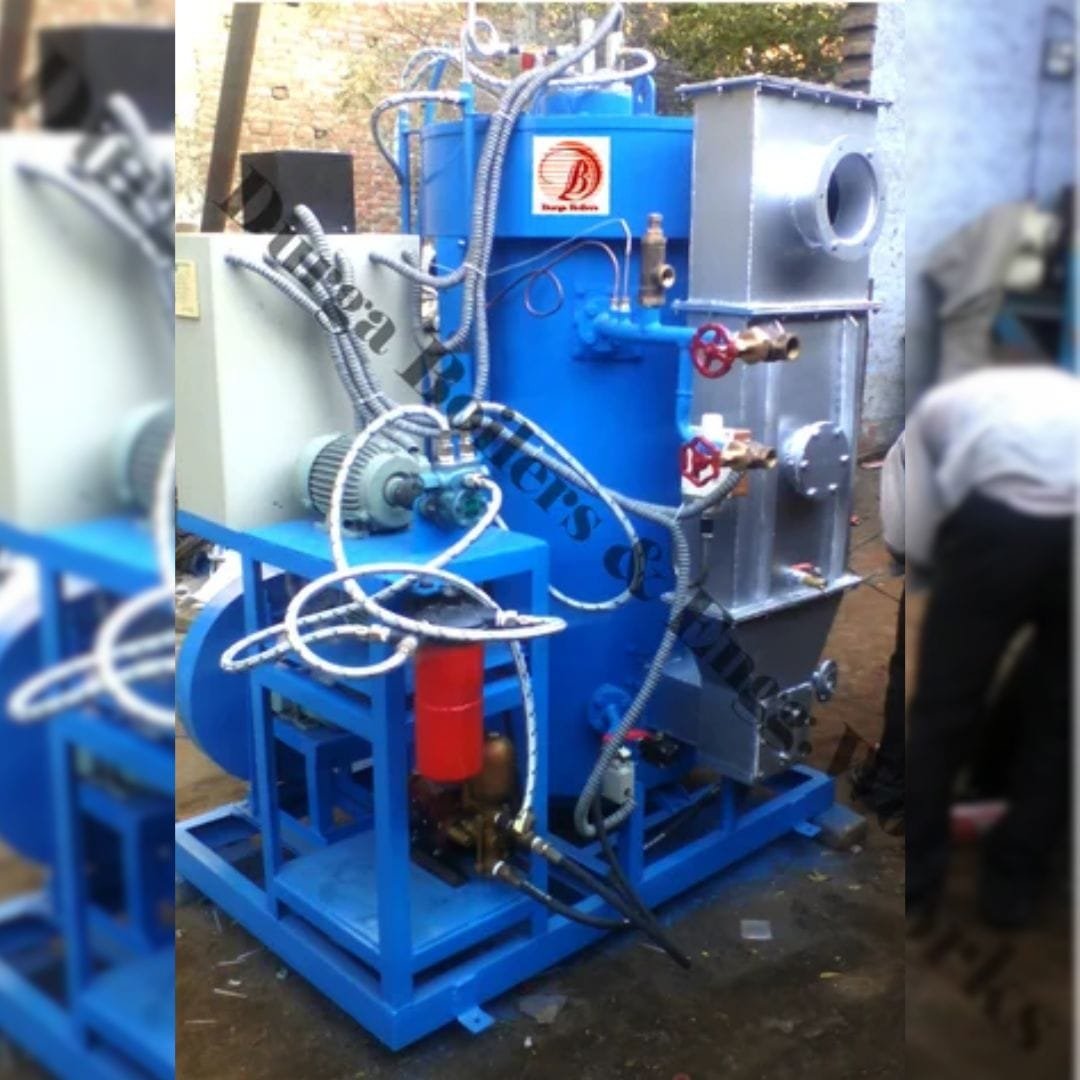
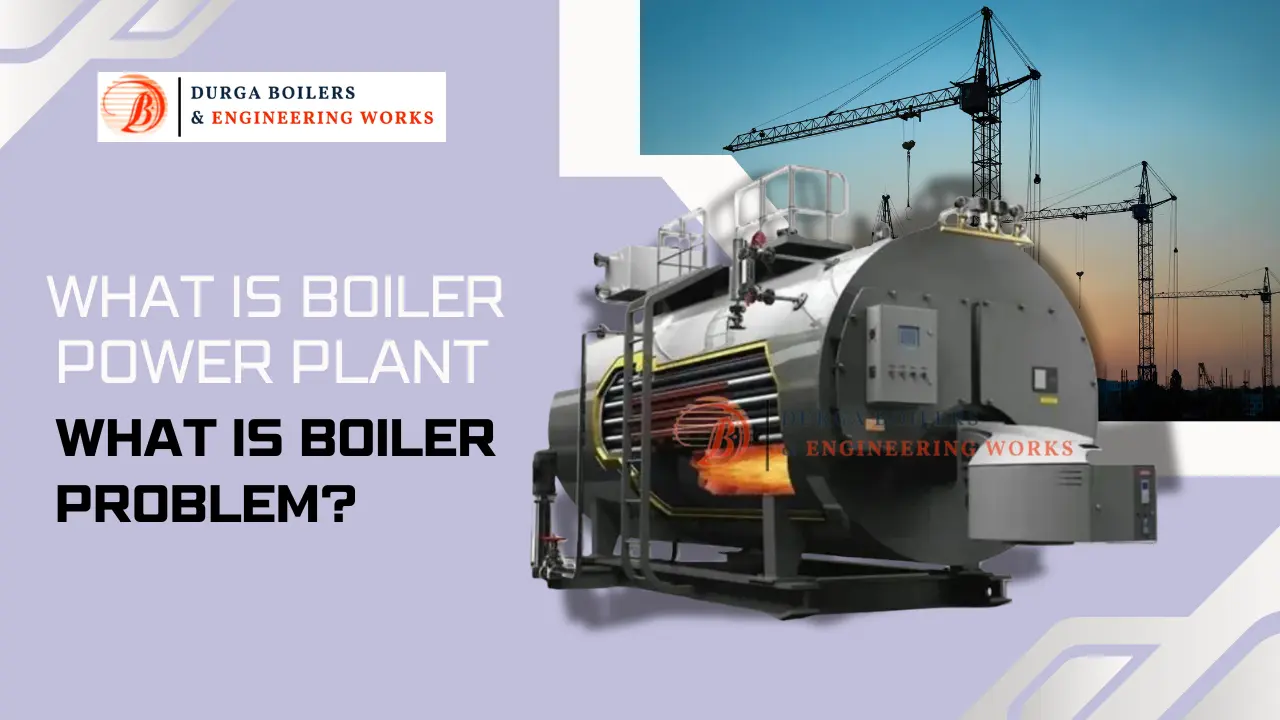
A power plant depends on many critical systems, but the boiler in power plant is the heart of the entire operation. Without a boiler, electricity generation is simply not possible in a thermal power station. Whether it is steam generation, heat transfer, or fuel burning, the boiler plays the most important role in converting heat energy into electrical energy. In this detailed blog, we will understand what a boiler is in a power plant, how it works, types of boilers, and the common boiler problems that industries often face. This guide has been written by Durga Boiler & Engineering Works, a trusted name in boiler manufacturing, servicing, and engineering solutions.
What is a Boiler in Power Plant?
A power plant boiler is a large industrial equipment used to convert water into high-pressure steam. This steam is then used to rotate turbines, which eventually generate electricity. In simple words, a boiler in power plant is a heat-producing system that uses fuel like coal, furnace oil, gas, or biomass to produce steam at extremely high temperature and pressure. The boiler works on the principle of Rankine Cycle, where heat energy is converted into mechanical energy and then into electrical energy.
Role of Boiler in Thermal Power Plant
A boiler in a thermal power plant ensures continuous production of steam, which is required to run the steam turbine. The main purpose of the boiler is to:
- Heat water using fuel combustion
- Convert water into steam
- Maintain high temperature and pressure
- Supply steam to turbines for electricity generation
Without consistent steam generation, a thermal power plant cannot operate efficiently. That is why the design, installation, and maintenance of a boiler plant play a very important role in the power production process.
How Does a Power Plant Boiler Work?
A boiler power plant follows a systematic operational cycle. First, the fuel is burned inside the furnace to produce high heat. This heat is transferred to water circulating through tubes or the boiler drum. As the water absorbs heat, it gradually transforms into steam. The high-pressure steam is then directed to the turbine where it rotates the blades at high speed. The turbine’s shaft is connected to a generator, which produces electricity. This process continues nonstop in a thermal station, making the boiler the heart of the entire power generation cycle.
Types of Boilers Used in Power Plants
Different power plants use different types of boilers depending on fuel, pressure, and plant capacity. Below are the most commonly used power station boilers:
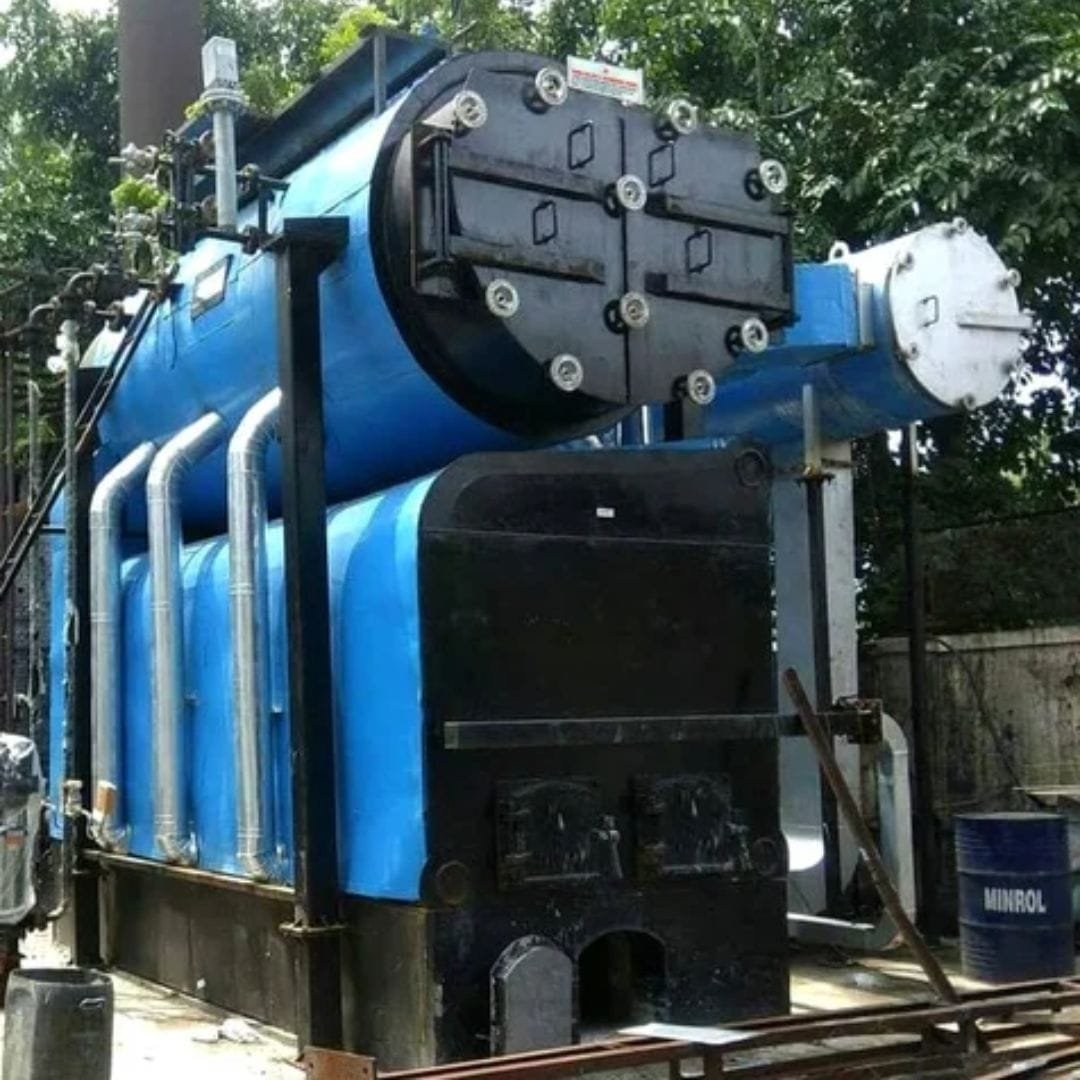
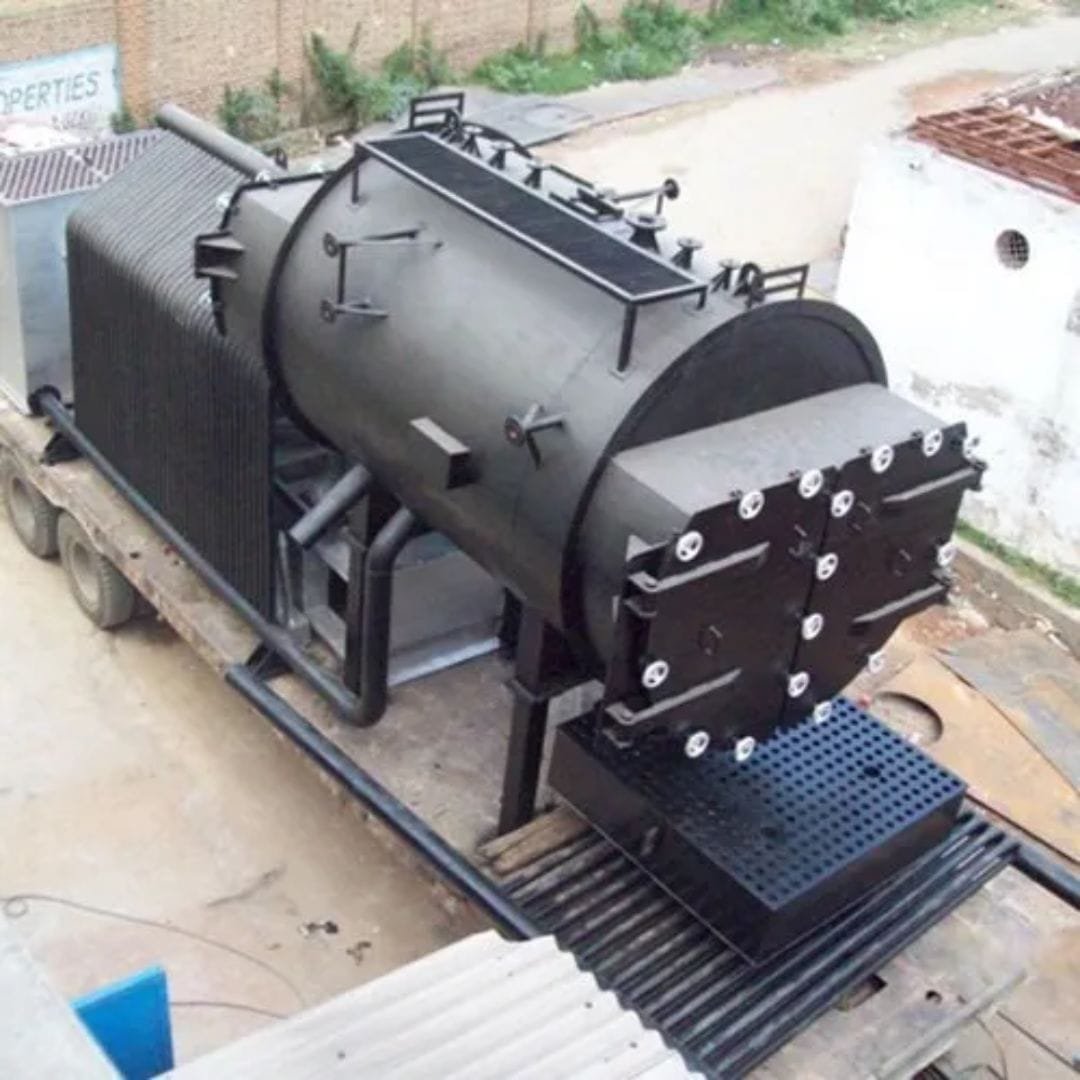
- Water Tube Boiler- This is the most popular type for large power stations because it can handle very high pressure and produce large volumes of steam efficiently.
- Fire Tube Boiler- Used for lower-pressure steam requirements. It is simple, economical, and ideal for smaller applications.
- Pulverized Coal Boiler- Coal is ground into fine powder and burned for maximum heat output. Most large boilers in thermal power plant systems use this technology.
- Fluidized Bed Combustion (FBC) Boiler- Designed to burn low-grade fuel with reduced emissions. It improves fuel efficiency and reduces pollution.
- Waste Heat Recovery Boiler- Uses heat from industrial exhaust gases to generate steam. It saves fuel and improves overall plant efficiency.
Importance of Efficiency in a Boiler Plant
Efficiency is the key factor in any boiler plant. A highly efficient power plant boiler consumes less fuel, reduces operational cost, minimizes emissions, and delivers stable steam output. It also ensures longer equipment life and fewer unplanned shutdowns. Industries today prefer high-efficiency boiler systems to maintain consistent power generation while reducing environmental impact. At Durga Boiler & Engineering Works, we focus on designing and maintaining efficient boiler systems that deliver maximum performance.
What is the Boiler Problem? Understanding Common Issues in Power Plant Boilers
Even though boilers are strong and industrial-grade systems, they face operational issues due to poor maintenance, water impurities, temperature imbalance, or mechanical failures. Understanding these boiler problems is important to avoid breakdowns and ensure safe operation.
Scaling and Deposits in Boiler Tubes
Scaling occurs when dissolved minerals settle and form hard deposits inside boiler tubes. This reduces heat transfer efficiency, increases fuel consumption, and causes overheating of tubes. In severe cases, scaling can lead to tube failure, affecting the overall performance of the boiler in the power plant.
Corrosion and Rust Formation
Corrosion is one of the most common boiler problems. It happens due to oxygen in water, acidic impurities, or neglected water treatment. Corrosion weakens metal surfaces, causes leakages, and decreases the lifespan of the power plant boiler. Regular inspection and chemical treatment help prevent corrosion.
Boiler Tube Failures
Tube failures occur due to excessive temperature, poor water circulation, scaling, or ash deposits. A tube burst leads to sudden shutdown of the boiler plant and costly repairs. Proper monitoring and cleaning are essential for preventing such failures.
Carryover and Foaming Issues
Carryover happens when boiler water droplets get carried into the steam due to impurities or improper water chemistry. This affects turbine blades, reduces steam quality, and causes operational instability in the boiler power plant.
Leakages and Pressure Drops
Leakages in valves, joints, or tubes cause pressure drops and reduce the efficiency of steam generation. Continuous pressure fluctuation leads to unstable power production and increased downtime.
Soot Formation in the Furnace
Soot deposition occurs when fuel combustion is incomplete. It sticks to boiler tubes and reduces heat absorption. This increases fuel demand and lowers the efficiency of the boiler in thermal power plants. Regular soot cleaning is necessary.
Low Water Level Problems
Low water level is one of the riskiest boiler problems. If the boiler operates with insufficient water, the tubes overheat and can explode. Automatic water level controls and regular monitoring are essential for safety.
How to Prevent Boiler Problems?
Preventing boiler problems requires proper maintenance and timely inspection. Regular water treatment, tube cleaning, monitoring pressure and temperature, using high-quality fuel, and detecting early signs of corrosion help avoid major failures. Durga Boiler & Engineering Works provides expert maintenance services to ensure smooth and safe boiler operations.
Conclusion
A boiler in power plant is the core component that drives electricity generation. It converts water into high-pressure steam and powers the turbine to produce electricity. While boilers are designed for heavy-duty operations, they face several issues such as scaling, corrosion, tube failures, soot formation, and water-level disturbances. With proper maintenance and efficient design, these boiler problems can be minimized.
Durga Boiler & Engineering Works is committed to delivering high-performance boiler systems and professional maintenance support for all boiler plant requirements.